
Custom Uniforms for Charities in Australia: A Complete Ordering Guide
Discover how Australian charities can order custom uniforms that build trust, boost visibility, and stay within tight budgets. Expert tips inside.

Written by
Priya Kapoor
Branding & Customisation
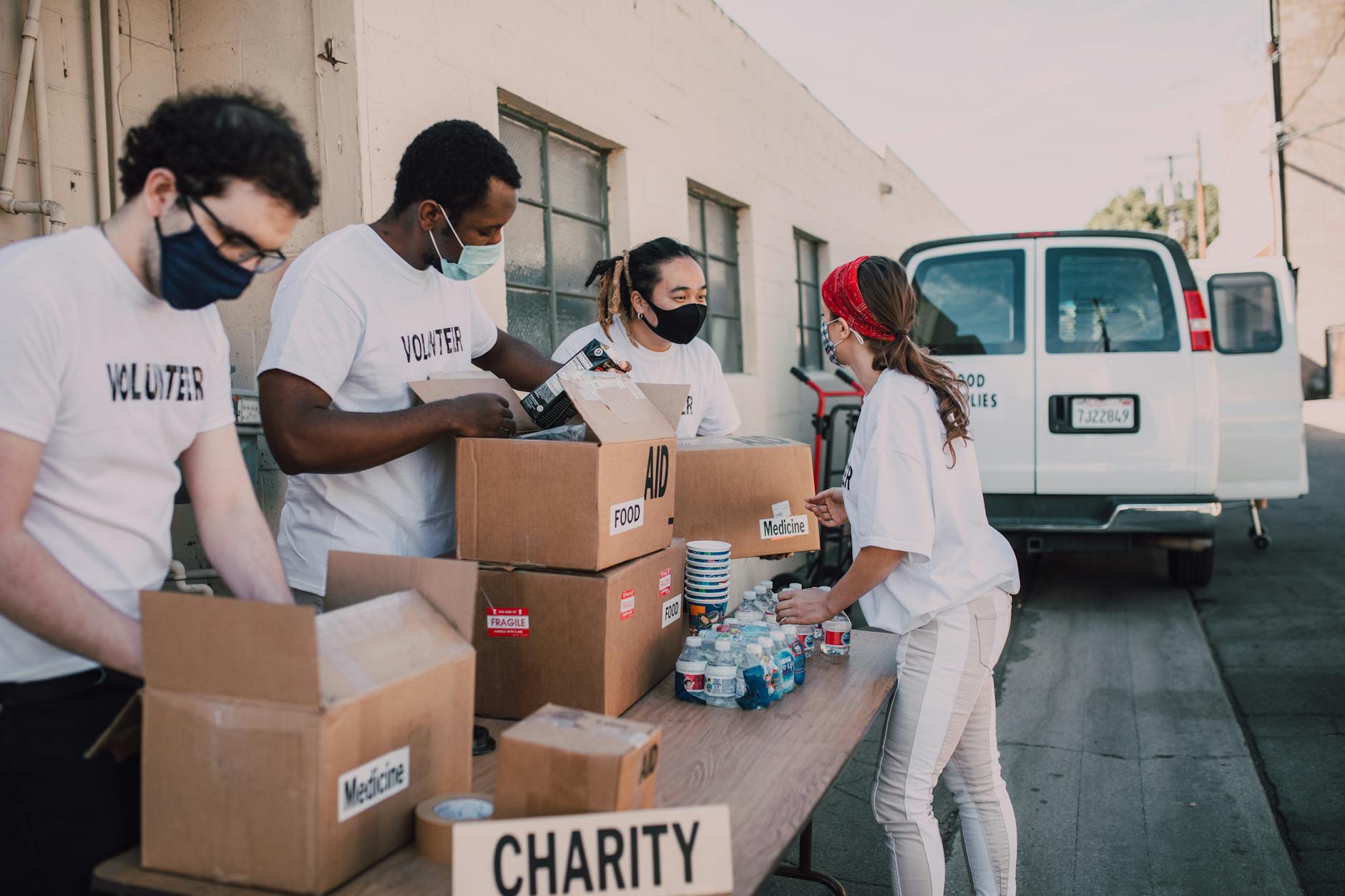
When a charity volunteer arrives at a community event wearing a well-branded uniform, something powerful happens. Donors feel reassured. The public takes notice. And the team feels a genuine sense of shared purpose. For not-for-profits across Australia — from small grassroots organisations in regional Queensland to large welfare charities operating across Sydney and Melbourne — custom uniforms are one of the most cost-effective tools available for building credibility and brand recognition. Yet many charities underestimate how much thought goes into getting a uniform order right. Budget constraints, decoration choices, garment selection, and artwork requirements all need careful consideration. This guide covers everything your organisation needs to know about sourcing custom uniforms for charities in Australia, so you can make confident, informed decisions from start to finish.
Why Custom Uniforms Matter for Australian Charities
It might seem like a luxury when every dollar counts, but a cohesive uniform is far from frivolous for a not-for-profit. It signals professionalism and accountability — two things that donors, grant bodies, and community partners place enormous value on.
Think about a community food bank operating in Adelaide or a homelessness support service working the streets of Melbourne’s CBD. When their staff and volunteers are dressed consistently, it instantly communicates that the organisation is structured, trustworthy, and here to stay. That perception matters when you’re asking the public to donate their time or money.
Building Team Identity and Volunteer Morale
Beyond external perception, uniforms do something quietly important on the inside too — they unify people. When a volunteer slips on a branded polo or a printed t-shirt, they become part of something bigger than themselves. Organisations that invest in quality uniforms often report higher volunteer retention and stronger team culture. That’s not a small thing when you’re relying on unpaid workers to keep your mission alive.
Meeting Duty of Care and Safety Requirements
For charities running outdoor programs, community events, or working in environments alongside emergency services, uniforms also carry a practical safety function. Hi-vis vests, for example, are essential for organisations involved in disaster relief, roadside clean-ups, or large-scale outdoor events. You can explore options like custom printed vests for outdoor charity work on the Gold Coast as a starting point for understanding hi-vis customisation options.
Choosing the Right Garments for Your Charity Uniform
Not all uniform items are created equal, and the right choice will depend on what your team actually does day to day. A charity running school literacy programs in Brisbane needs something different from a wildlife rescue organisation in Western Australia.
T-Shirts and Polos
For most charities, branded t-shirts and polo shirts are the workhorses of the uniform range. They’re affordable, widely available, and suit a huge range of environments — from office settings to outdoor events. Cotton or cotton-blend t-shirts are popular for volunteer roles and community events, while polos project a slightly more polished image suitable for donor meetings, fundraising gala nights, or corporate partnerships.
Look for garments with reasonable grammage (180–200gsm is a good benchmark for t-shirts that feel quality but stay cost-accessible). Many Australian suppliers offer pre-decorated samples so you can assess fit and fabric before committing to a bulk order.
Hoodies and Fleece Jackets
For charities operating in cooler climates — think Hobart, Canberra, or regional Victoria — adding a branded hoodie or fleece jacket to the uniform range is a wise investment. These garments also double as practical winter corporate giveaways for charity auction prizes or volunteer appreciation gifts, giving them extra value beyond daily wear.
Caps and Beanies
Headwear adds a finishing layer to any charity uniform and is especially useful for outdoor programs, fundraising walks, or community festivals. Branded caps are a particularly popular and budget-friendly option. If you’re planning an outdoor event or need to outfit a large volunteer team quickly, take a look at how to choose custom caps in Melbourne for practical advice on styles, decoration methods, and bulk pricing.
Bags and Totes
Uniforms don’t always stop at clothing. A branded drawstring bag or tote can serve as part of a volunteer starter kit — practical, visible, and great for carrying supplies at events. Drawstring bags are a particularly cost-effective option for charities ordering large quantities, with generous bulk pricing available.
Decoration Methods: What Works Best for Charity Uniforms
The decoration method you choose will affect both the look and the longevity of your uniforms. Getting this right from the start saves you money in the long run.
Screen Printing
Screen printing remains one of the most popular and cost-effective methods for bulk charity uniform orders. It’s ideal when you have a bold, simple logo with limited colours and you’re ordering 50 or more garments. The prints are durable, vibrant, and consistent — perfect for t-shirts destined for high-activity volunteer roles.
One thing to note: screen printing involves a setup fee per colour, so designs with five or six colours can push costs up quickly. For charities on a tight budget, simplifying your artwork to two or three colours is a smart move.
Embroidery
Embroidery elevates the perceived quality of a garment significantly. For polo shirts, jackets, or caps destined to be worn during donor engagement or formal events, embroidery adds a premium finish that screen printing simply can’t replicate. It’s more durable than most print methods and holds up well through repeated washing — an important consideration for uniforms worn regularly by staff.
The trade-off is cost. Embroidery is priced by the number of stitches in your design, so intricate logos with fine detail can be expensive to recreate accurately. Simpler, bolder logo designs typically embroider cleanly and affordably.
Heat Transfer Printing
Heat transfer is a flexible option well suited to smaller runs or garments with complex, multi-colour artwork. It’s particularly popular for sports and active-wear styles. If your charity runs a youth sports program or active community initiative, heat transfer printing for custom sports uniforms is worth understanding in detail before placing your order.
Colour Matching and Brand Consistency
For established charities with defined brand guidelines, ensuring your uniform colours match your brand exactly is critical. Inconsistent colours across different garment types or print runs can undermine the professional look you’re working hard to build. Pantone colour matching for brand consistency is the industry standard approach to solving this problem, and it’s worth discussing with your decorator before your artwork is finalised.
Understanding MOQs, Turnaround Times, and Budgets
One of the most common frustrations for charities ordering uniforms for the first time is encountering minimum order quantities (MOQs) they weren’t expecting. Here’s a realistic overview of what to expect in Australia.
Minimum Order Quantities
Screen-printed t-shirts typically have MOQs of 20–50 pieces depending on the decorator. Embroidered items often start from as few as 10–12 pieces, which suits smaller teams. If you only need a handful of items — say, for a new volunteer intake of ten people — embroidery or digital heat transfer is usually your most flexible path.
For very large volunteer programmes or multi-chapter charities operating across multiple states, bulk ordering at higher quantities (100+) unlocks significantly better per-unit pricing, which helps stretch tight budgets further.
Turnaround Times
Standard production turnaround in Australia is typically 10–15 business days from proof approval, though this varies. If you’re ordering for a specific event — a fundraising walk, a community expo, or a gala dinner — build at least three to four weeks into your planning timeline to allow for artwork approval, production, and delivery. If something goes wrong (and occasionally it does), you’ll have breathing room.
If you’ve left things too late, some suppliers offer rush turnaround options, though this generally comes at a cost. Understanding express printing surcharges for urgent promotional orders will help you budget accurately if you find yourself in a time crunch.
Budget Considerations for Not-for-Profits
Charities often have limited funds allocated to administrative or operational costs, and uniforms fall into that bucket for many organisations. Some practical ways to manage your uniform budget include:
- Simplifying your artwork to reduce screen printing setup fees
- Ordering a single core item (e.g., a t-shirt) rather than a full range in the first year
- Requesting a quote for multiple quantities so you can see the price breaks and make an informed call
- Checking whether your charity is eligible for trade pricing — many Australian suppliers offer discounted pricing to registered not-for-profits
- Combining your uniform order with other branded items (like lanyards, tote bags, or pens) to potentially access better overall pricing through a single supplier
Planning Your Uniform Order: A Step-by-Step Approach
Getting your uniform order right requires a little groundwork upfront. Here’s how to approach it systematically.
Step 1: Define Your Needs Clearly
Before contacting any supplier, get clear on what you need. How many people are you outfitting? What roles do they perform? Do you need different garments for different teams (e.g., staff vs. volunteers)? Do any roles require hi-vis or safety-rated garments?
Step 2: Prepare Your Artwork
Your logo should ideally be supplied as a vector file (AI, EPS, or PDF) for the cleanest print results. If your charity only has a low-resolution PNG or JPEG, a good decorator can often recreate your artwork as a vector for a one-off fee — worth doing before your first order so you have high-quality files on hand for all future print jobs.
Step 3: Request Samples
Never commit to a large order without seeing and feeling the garments first. Most suppliers can provide blank samples or previously decorated samples for a nominal cost. This step is especially important if your volunteers will be wearing the garments frequently.
Step 4: Review Your Proof Carefully
Once your artwork is laid out on the garment, your supplier will send a digital proof for approval. Check every detail: logo placement, colour references, text accuracy, and sizing. It’s much easier (and cheaper) to fix an error at the proof stage than after 200 shirts have been printed.
Step 5: Plan for Future Reorders
Consider how you’ll handle new volunteers or staff joining throughout the year. Some charities set up a standing order arrangement or keep a small stock of common sizes on hand for new starters. Others order once per year in a single bulk run to maximise pricing.
Expanding Beyond Uniforms: Complementary Charity Merchandise
Once your uniform range is established, there’s a world of complementary branded merchandise that can support your charity’s goals — from fundraising to awareness campaigns and volunteer appreciation.
Items like branded reusable bags, eco-friendly drinkware, and lanyards all reinforce your brand at events and in the community. If your charity is looking at broader merchandise strategy, explore reusable promotional items for green-focused organisations — particularly relevant for charities with an environmental or sustainability mission.
For fundraising events and charity auctions, thoughtfully curated gift packs can be both a revenue generator and a brand-building opportunity. Take inspiration from ideas for corporate gifting and adapt the approach to your donor recognition or volunteer appreciation programmes.
Charities that also manage or participate in community events — markets, festivals, school fairs — may also find value in branded promotional products beyond clothing. If your organisation is attending conferences or expos to raise awareness, consider what goes into custom conference delegate packs and how branded items can extend your reach beyond the event itself.
Conclusion: Key Takeaways for Charities Ordering Custom Uniforms in Australia
Custom uniforms for charities in Australia are far more than just clothing. Done well, they communicate professionalism, build team cohesion, and raise public awareness of your mission — all without needing an enormous budget. The key is approaching the process with clarity, planning ahead, and working with a knowledgeable supplier who understands the unique needs of the not-for-profit sector.
Here are the most important things to keep in mind:
- Choose garments that match your team’s actual activities — outdoor roles may need hi-vis or durable fabrics, while staff in donor-facing roles benefit from polished polos or embroidered jackets
- Understand your decoration options — screen printing suits high-volume, bold designs; embroidery adds quality for smaller runs or premium items; heat transfer is flexible for complex artwork
- Plan your timeline carefully — allow at least three to four weeks from artwork approval to delivery, and build buffer time for events
- Simplify where you can — streamlining your logo design and colour palette reduces setup costs significantly
- Think beyond uniforms — complementary branded merchandise like bags, caps, and lanyards extends your brand presence and can support fundraising efforts
- Check for not-for-profit pricing — many Australian suppliers are happy to support charities with preferential rates for registered organisations
With the right approach, your charity’s uniform programme can become one of your strongest brand assets — visible, consistent, and meaningful to everyone who wears it.