
How to Choose the Right Branded Reusable Drinking Bottle for Your Organisation
Discover how to choose the best branded reusable drinking bottle for your business, event, or organisation. Expert tips on styles, decoration & budgeting.

Written by
Callum Drake
Drinkware
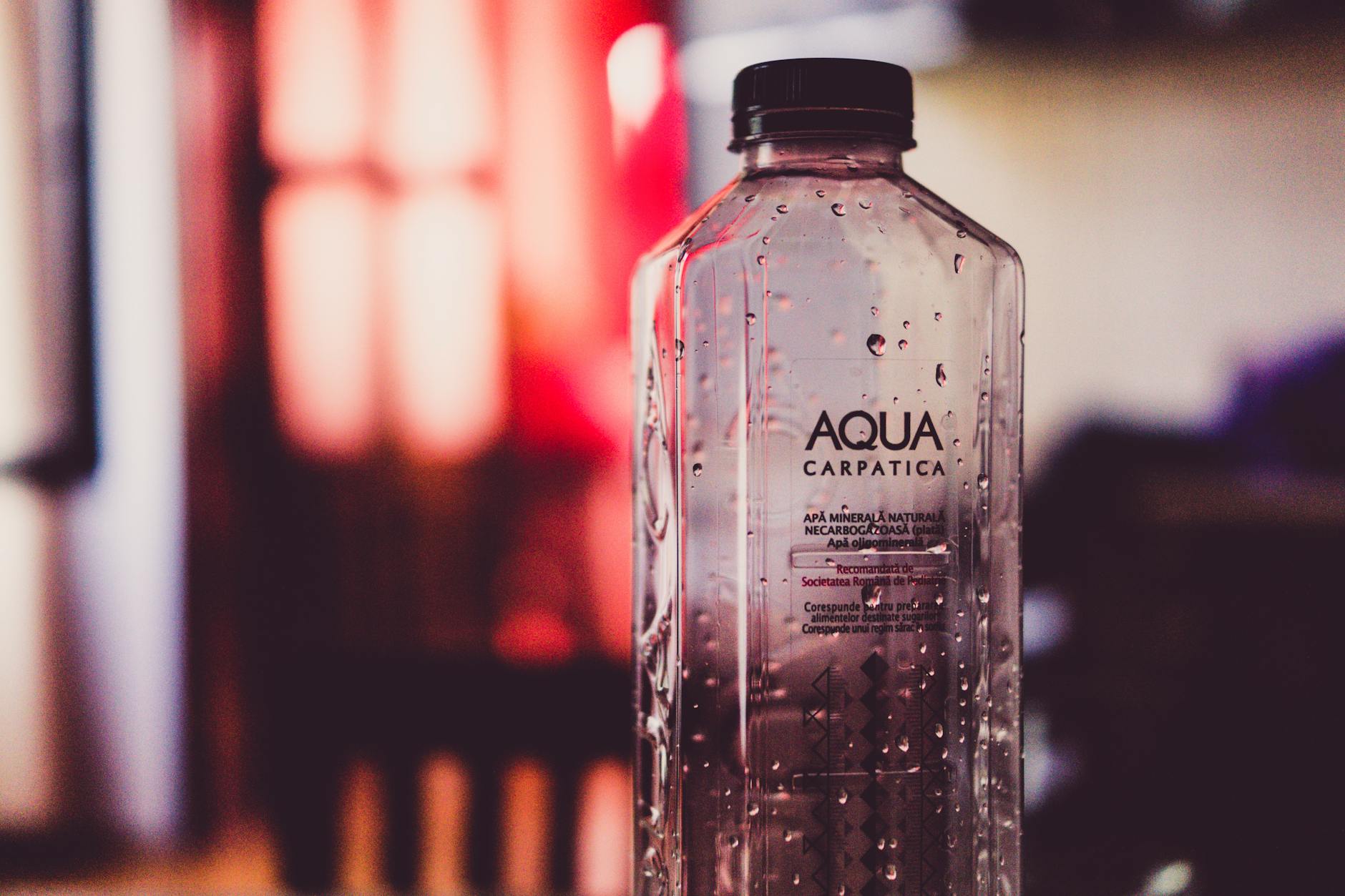
Choosing the right branded reusable drinking bottle might seem straightforward, but when you’re ordering in bulk for a corporate team, a school fundraiser, or a major conference, the decision carries real weight. The wrong product can end up gathering dust in a drawer, while the right one becomes something people genuinely use every day — quietly putting your brand in front of hundreds of eyes along the way. Whether you’re a Sydney-based business sourcing staff gifts, a Brisbane events coordinator planning a health and wellness expo, or a Melbourne school running a sustainability initiative, this guide will walk you through everything you need to know before placing your order.
Why Branded Reusable Drinking Bottles Are One of the Most Effective Promotional Products
There’s a reason reusable drinkware consistently ranks among the top-performing promotional products year after year. Unlike a branded pen that gets lost in a bag or a USB drive that becomes redundant, a quality reusable drinking bottle travels everywhere with its owner — to the gym, the office, school pickup, weekend hikes, and everywhere in between.
From a brand visibility standpoint, this kind of daily use is incredibly valuable. Studies in the promotional products industry have shown that drinkware generates thousands of impressions over its lifetime, often outperforming more expensive branded items simply because it’s used so consistently.
There’s also a values dimension to consider. In 2026, Australian consumers and employees increasingly expect the organisations they interact with to demonstrate a genuine commitment to sustainability. Gifting a reusable drinking bottle signals that your brand is aligned with reducing single-use plastic waste — a message that resonates particularly strongly with schools, councils, charities, and corporate organisations with active ESG commitments.
If you’re exploring the broader landscape of eco-conscious merchandise, our guide to eco-friendly promotional products for Australian businesses is a useful starting point.
Understanding the Different Types of Reusable Drinking Bottles
Before you get into decoration options and order quantities, you need to decide which type of bottle best suits your audience and use case. The market offers several distinct categories, each with its own strengths.
Stainless Steel Insulated Bottles
These are the premium tier of the reusable bottle world. Double-wall vacuum-insulated stainless steel bottles keep cold drinks cold for up to 24 hours and hot drinks hot for up to 12 hours — making them genuinely useful year-round. They’re popular for corporate gifting, high-value event giveaways, and staff recognition programs.
Capacities typically range from 350ml to 1 litre, with 500ml and 750ml being the most commonly ordered sizes for general use. Expect to pay more per unit than plastic alternatives, but the perceived value is significantly higher, and recipients are far more likely to hold onto them long term.
For a deeper look at this product category, check out our guide to branded stainless steel water bottles.
BPA-Free Plastic Bottles
Plastic reusable bottles remain a cost-effective option when budget is the primary consideration. Modern BPA-free Tritan plastic bottles are lightweight, shatter-resistant, and available in a huge range of colours — making them popular for sporting clubs, school events, and community giveaways where MOQs are higher and per-unit spend needs to stay low.
Keep in mind that while plastic bottles have come a long way in quality, they don’t carry the same premium feel as stainless steel. For audiences where sustainability messaging is central, a plastic product — even a reusable one — may not fully land the way you intend.
Aluminium Bottles
Aluminium bottles sit somewhere between plastic and stainless steel in terms of price and perception. They’re lightweight, fully recyclable, and have a sleek, modern aesthetic that works well for lifestyle brands, universities, and event merchandise. They’re not insulated like double-wall steel, but they’re a solid mid-range option.
Glass and Ceramic-Inspired Options
Glass bottles with silicone sleeves are a niche but growing category, particularly popular in health and wellness contexts and corporate gifting for premium recipients. They’re heavier and require more careful handling, but they carry a sense of quality and purity that resonates with certain audiences.
For organisations interested in the broader category of sustainable drinkware options, our overview of branded keep cups and reusable coffee cups offers related insights worth reading.
Decoration Methods: How to Get Your Logo on a Reusable Drinking Bottle
The decoration method you choose will significantly affect the final look, durability, and cost of your branded reusable drinking bottle. Different bottle materials are compatible with different techniques, so it’s important to understand your options before finalising artwork.
Laser Engraving
Laser engraving is the gold standard for stainless steel and aluminium bottles. The laser removes the surface coating to reveal the metal beneath, creating a permanent, tactile mark that never fades or peels. It has a premium, understated aesthetic that works beautifully for corporate gifts and high-end event merchandise. The limitation is that it only works in a single “colour” — the exposed metal itself — so it’s not ideal for multi-colour logos.
Screen Printing
Screen printing works well on plastic and aluminium bottles and produces vibrant, opaque colour coverage. It’s cost-effective for larger runs and delivers consistent results across high quantities. However, it’s not suitable for curved surfaces with complex artwork, and the ink can wear over time if the bottle is used heavily.
Pad Printing
Pad printing is used for smaller, more detailed logos on curved or irregular surfaces. It’s commonly used on bottles where screen printing isn’t practical, and it handles finer detail reasonably well. Like screen printing, it’s best for simpler logo designs.
Digital Printing and Full-Wrap Sublimation
For plastic and certain coated metal bottles, full-wrap digital sublimation printing allows you to cover the entire bottle surface with photographic-quality imagery, colour gradients, and complex artwork. This is a fantastic option for event merchandise where visual impact matters — think festival merchandise, sports club bottles, or school fundraiser products where bright, bold design is part of the appeal.
Our detailed explainer on screen printing vs sublimation printing breaks down the pros, cons, and cost differences between these methods in more detail.
Key Considerations When Placing a Bulk Order
Getting your order right from the start saves time, money, and frustration. Here are the practical factors to work through before you confirm your purchase.
Minimum Order Quantities
MOQs for branded reusable drinking bottles typically start at 25–50 units for premium stainless steel styles, and can go as low as 12–24 units for some suppliers depending on the decoration method. Plastic bottles with screen printing often have MOQs starting at 50–100 units. If you need a smaller quantity, look for suppliers who offer sample orders or smaller run options with a slightly higher per-unit cost.
Turnaround Times
Standard turnaround for branded drinkware is typically 10–15 business days from artwork approval, though this varies depending on the supplier and decoration method. If you’re ordering for a specific event — a Perth product launch, an Adelaide school sports day, or a Canberra government conference — factor in at least two to three weeks buffer from when you expect to sign off on the proof.
Rush orders are possible but come with premium pricing, and not all decoration methods can be expedited. For time-sensitive situations, our tips on ordering promotional products with fast turnaround are worth reviewing.
Artwork Preparation
Most suppliers require vector artwork files (.AI, .EPS, or high-resolution .PDF) for clean reproduction. If your logo only exists as a low-resolution JPEG, you may need to have it redrawn. PMS colour matching is available for screen printing and pad printing, which ensures your brand colours are reproduced accurately — particularly important for organisations with strict brand guidelines.
Budget Planning
Per-unit pricing for branded reusable drinking bottles varies widely. Basic BPA-free plastic bottles can start from around $3–$6 per unit at volume, mid-range aluminium options typically sit between $6–$12, and premium double-wall stainless steel bottles often range from $12–$30+ depending on size, features, and order quantity. Setup fees and freight should be factored into your total budget from the outset.
For a broader framework on managing merchandise budgets, our guide to budgeting for promotional products provides practical planning advice.
Matching Your Bottle Choice to Your Audience and Goals
The most successful reusable drinking bottle campaigns are those where the product genuinely fits the audience. A few scenarios to illustrate this:
- Corporate staff gifts: A double-wall stainless steel bottle with laser-engraved branding is a considered, premium gift that employees will appreciate and use. It communicates investment and quality.
- School fundraisers or sports days: A brightly coloured, BPA-free plastic bottle with full-colour sublimation printing at a lower price point makes sense when you need 200+ units and every dollar counts.
- Trade show giveaways: A mid-range aluminium or stainless steel bottle with screen-printed or pad-printed branding strikes the right balance between perceived value and manageable cost across larger quantities.
- Eco-focused campaigns: A recycled stainless steel or plant-based plastic bottle paired with sustainability messaging aligns product and purpose, strengthening the campaign’s credibility.
For event planners specifically, our guide to conference and event merchandise covers how drinkware fits into a broader event product strategy.
You might also find value in our overview of branded corporate gifts for Australian businesses and our tips for choosing promotional products for schools if either of those contexts applies to your project.
If sustainability is a core consideration, our post on recycled and sustainable promotional products offers additional product and supplier guidance. And for organisations comparing different types of branded drinkware, our comparison of branded mugs, keep cups, and water bottles may help clarify your decision.
Conclusion: Key Takeaways for Ordering a Branded Reusable Drinking Bottle
A well-chosen branded reusable drinking bottle is one of the most practical and impactful investments you can make in your promotional merchandise strategy. Before you place your next order, keep these points front of mind:
- Match the product to the audience — premium stainless steel for corporate gifting, cost-effective plastic for high-volume school or community events, aluminium for a balanced mid-range option.
- Choose your decoration method carefully — laser engraving for premium longevity, screen printing or pad printing for cost-effective colour, sublimation for full-wrap visual impact.
- Plan your timeline realistically — allow at least two to three weeks from artwork approval to delivery, especially for large orders or events with fixed dates.
- Prepare your artwork correctly from the start — vector files and PMS colour references will save time and ensure your branding looks as intended.
- Factor in the full cost — per-unit price is just the starting point; include setup fees, freight, and any artwork preparation costs in your total budget planning.
A reusable drinking bottle done well isn’t just a giveaway — it’s a daily brand touchpoint that keeps working long after the event or campaign has wrapped up.