
Branded T-Shirts for Men: The Complete Guide for Australian Organisations
Discover how to choose, design, and order branded men's t-shirts for your Australian business, event, or organisation. Expert tips inside.

Written by
Ryan Gallagher
Custom Apparel
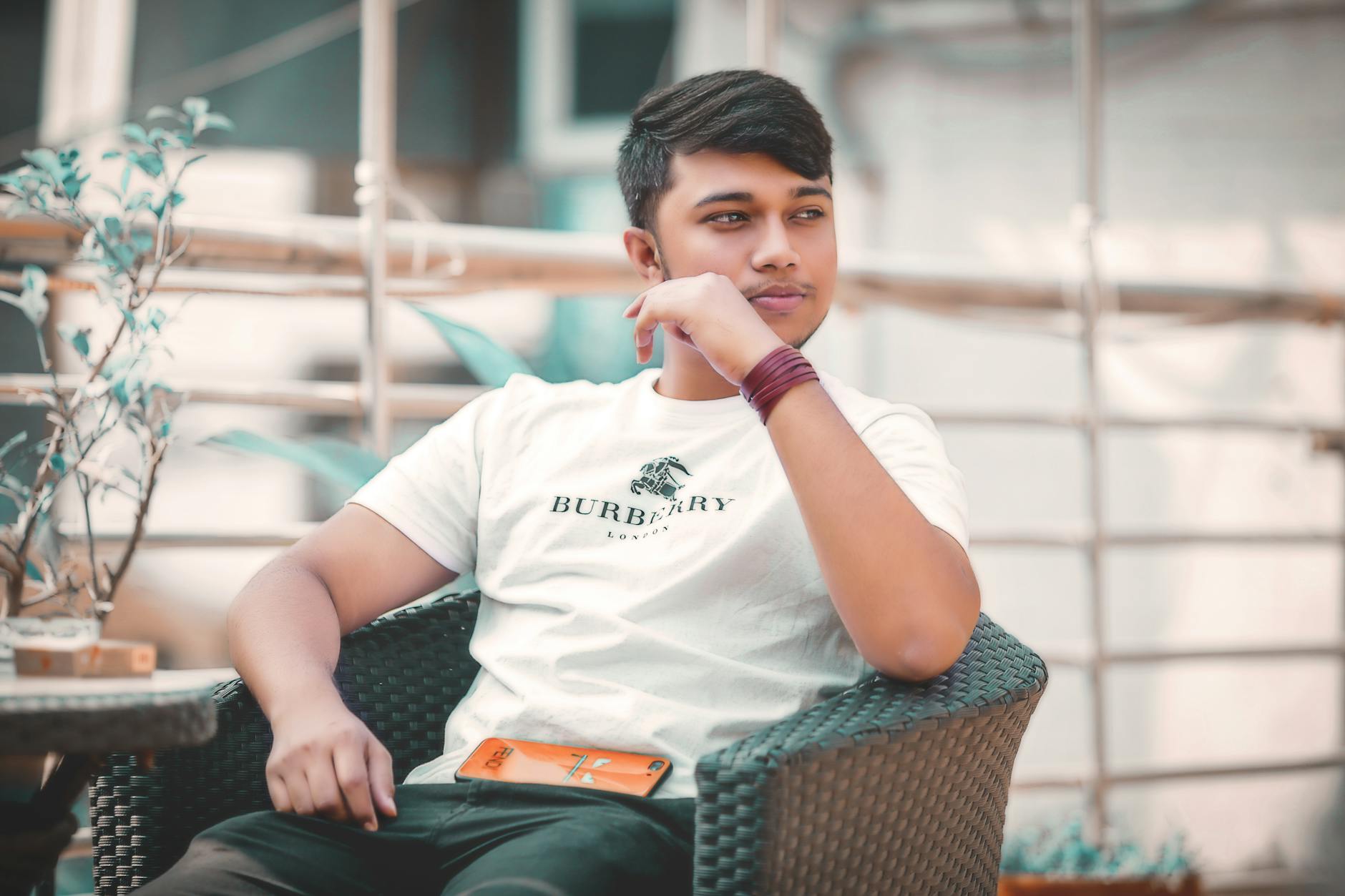
When it comes to building brand recognition, few items punch above their weight quite like a well-designed, high-quality branded t-shirt. For Australian businesses, sporting clubs, schools, charities, and event organisers, men’s branded t-shirts represent one of the most versatile and cost-effective promotional tools available. Whether you’re kitting out a team of 20 warehouse staff in Western Australia or sourcing merchandise for a Brisbane music festival attracting thousands of attendees, getting your t-shirt order right from the start can save you time, money, and more than a few headaches. This guide covers everything you need to know about ordering t-shirts for men with branding — from selecting the right fabric and fit through to choosing the best decoration method for your budget.
Why Branded T-Shirts for Men Remain a Promotional Staple
It’s no accident that custom men’s t-shirts have remained one of the top-selling promotional products in Australia year after year. The reason is simple: people actually wear them. Unlike branded stress balls or novelty items that end up in a desk drawer, a quality t-shirt gets worn to the gym, to the shops, on the weekend — and every time it does, your brand goes with it.
Think about the reach this creates. A single branded t-shirt worn around a busy Sydney suburb or at a Gold Coast trade show can generate hundreds of impressions across its lifespan. Multiply that across a bulk order, and you’re looking at brand exposure that rivals many digital advertising campaigns — often at a fraction of the cost.
For organisations that need to present a unified, professional look, branded t-shirts also solve a practical problem. A team of volunteers at a Melbourne charity event wearing matching branded tees becomes instantly identifiable. Staff at a Perth retail pop-up look cohesive and approachable. Corporate clients at a Canberra conference can easily spot the organisers. The functional and branding benefits genuinely go hand in hand.
If your branding extends beyond apparel, it’s worth thinking about building a broader merchandise package. Items like customised drink bottles and personalised keep cups pair beautifully with branded t-shirts for event giveaway packs or staff welcome kits.
Understanding Fabric Options for Men’s Branded T-Shirts
Not all t-shirts are created equal, and fabric selection is one of the most important decisions you’ll make when placing a bulk order. The right fabric affects print quality, comfort, durability, and how professional your finished product looks.
100% Cotton
Cotton remains the most popular choice for branded men’s t-shirts in Australia, particularly for warmer climates like Queensland, the Northern Territory, and Western Australia. It’s breathable, comfortable, and provides an excellent surface for screen printing and heat transfer decoration. The trade-off is that pure cotton can shrink if not pre-shrunk and tends to crease more than blended fabrics.
Look for combed or ring-spun cotton for a softer finish — this is especially important if you’re producing t-shirts intended as quality merchandise rather than disposable event giveaways.
Cotton-Polyester Blends
A 65/35 or 50/50 cotton-polyester blend offers a middle ground between comfort and durability. Blended fabrics resist shrinkage better, hold their shape longer, and often cost less per unit — making them a solid choice for large-scale orders where budget is a key consideration. The slight polyester content can affect how colours sit with screen printing, so always confirm suitability with your supplier before finalising artwork.
Performance and Moisture-Wicking Fabrics
For sporting clubs, fitness brands, or outdoor events, performance fabrics — typically 100% polyester or technical blends — are the right call. These fabrics wick moisture away from the body and dry quickly, which matters enormously for a Brisbane footy club handing out jerseys or an Adelaide running event. Note that sublimation printing works exceptionally well on white or light polyester fabrics, producing vivid, all-over designs that simply aren’t possible with other methods.
Decoration Methods: Choosing the Right Print for Your Brand
Your decoration method will significantly impact both the look and the longevity of your branded t-shirts for men. Here’s a breakdown of the most common options used in Australia.
Screen Printing
Screen printing is the industry standard for bulk orders of branded t-shirts. It produces crisp, vibrant colours and is highly cost-effective once setup costs are absorbed across a larger quantity — typically 50 units or more. Each colour in your design requires a separate screen, so designs with fewer colours will keep costs down. Screen printing works best on light-coloured garments for the cleanest result.
Heat Transfer and Direct-to-Garment (DTG) Printing
Heat transfer and DTG printing are better suited to smaller runs, complex multi-colour designs, or photographic artwork. DTG in particular can reproduce intricate designs with many colours without the per-colour setup costs of screen printing. However, for very large orders (500+ units), the per-unit cost of DTG tends to be higher than screen printing.
Embroidery
Embroidery gives branded t-shirts a premium, tactile look that stands out — particularly for corporate gifting, polo shirts, or when a brand needs to communicate quality. It works best on thicker, structured fabrics. Keep in mind that embroidery isn’t ideal for very fine detail or small text, so simpler logos tend to produce the best results.
For organisations exploring broader apparel branding beyond t-shirts, it’s worth reading about work shirts with logo printing and decoration options to understand how different garment types suit different decoration methods.
Sizing, Fit, and Range Considerations
When ordering branded t-shirts for men, getting the size mix right is critical — especially for large orders where misjudging proportions can leave you with excess stock in unwanted sizes.
A general rule of thumb for mixed Australian adult male audiences is to skew toward medium and large, with a healthy allocation of XL and a smaller proportion of S and XXL. However, this can vary significantly by industry, event type, and audience demographics. A construction company in Darwin might need more XL and XXL, while a tech startup in Melbourne might skew smaller.
Always order a sample or request a size chart before committing to a full order. Most reputable Australian suppliers will provide unbranded samples — sometimes for a small fee — so you can assess fit and fabric quality before locking in your artwork.
For organisations that also need branded headwear to complete the look, explore options like customised caps and personalised bucket hats to round out your uniform or event merchandise offering.
Minimum Order Quantities and Pricing Expectations
Minimum order quantities (MOQs) for branded men’s t-shirts in Australia typically start at 12 to 25 units for heat transfer or DTG options, and 50 units or more for screen printing. Embroidery often has lower MOQs but higher per-unit setup costs.
Pricing varies based on fabric quality, decoration method, number of print locations (front, back, sleeve), and order volume. As a rough guide:
- Basic screen-printed t-shirts: $8–$18 per unit at 100+ pieces
- Mid-range cotton tees with embroidery: $20–$35 per unit
- Premium combed cotton with multiple print positions: $25–$45 per unit
Setup fees typically range from $50 to $150 per colour per screen for screen printing, and $30 to $80 for embroidery digitising. These costs are usually a one-time charge, so reordering later is significantly more affordable.
For events where you need to stretch the budget further across a broader merchandise mix, consider pairing t-shirts with lower-cost items like a recycled pen or branded journal and notebook to create a more complete pack without blowing the budget on apparel alone.
Turnaround Times: Planning Your Order Around Key Dates
Turnaround time is one of the most common pain points for organisations ordering branded t-shirts for the first time. Standard production runs typically take 10 to 15 business days from artwork approval. Rush orders may be available at an additional cost, but these are not always guaranteed during peak periods.
The busiest periods for promotional apparel in Australia tend to be January to March (back to school and sporting season kick-offs), October to November (end-of-year events and Christmas parties), and the weeks surrounding major trade shows and expos. If your event falls during these windows, place your order at least 4 to 6 weeks in advance to avoid disappointment.
For events that also incorporate other branded merchandise alongside men’s t-shirts, planning the full suite of products in one go helps streamline approvals and ensure everything arrives on time. Think about accessories like customisable socks or a custom varsity jacket for premium merchandise tiers at events or as staff rewards.
Artwork and Branding Tips for the Best Results
Submitting print-ready artwork makes a significant difference to both the quality of your finished t-shirts and the smoothness of your ordering experience. Here’s what to keep in mind:
- Vector files (AI, EPS, PDF) are ideal for screen printing and embroidery — they scale without losing quality
- PMS colour matching ensures your brand colours remain consistent across large orders
- Minimum font sizes typically sit around 6–8pt for screen printing; smaller text may not reproduce cleanly
- Bleed and safe zones matter for all-over printing or edge-to-edge designs
- Artwork templates are usually provided by your supplier for each garment — always use these
If your organisation is also developing other branded materials alongside t-shirts, coherent branding across products is essential. Items like personalised passport holders for travel-focused staff gifts, or personalised coffee mugs for the office, should all align with the same colour palette and logo treatment as your apparel.
Industries and Occasions Where Men’s Branded T-Shirts Shine
The versatility of branded t-shirts for men means they suit an enormous range of applications across Australia:
- Sporting clubs: AFL, rugby, cricket, and soccer clubs across NSW, Victoria, and Queensland use branded tees for training days, community events, and merchandise sales
- Construction and trades: Paired with personalised hi-vis vests for site safety and team cohesion
- Corporate events: Team-building days, conferences, and product launches in Sydney and Melbourne
- Schools and universities: Fundraising drives, sports carnivals, and graduation merchandise
- Charities: Awareness campaigns and volunteer identification
- Hospitality and retail: Staff uniforms and front-of-house branding in cafes, bars, and boutiques
Each of these contexts has slightly different requirements in terms of fabric, decoration method, and budget — which is why understanding your specific use case before reaching out to a supplier is so valuable.
Conclusion: Key Takeaways for Ordering Branded Men’s T-Shirts
Branded t-shirts for men remain one of the smartest, most cost-effective investments an Australian organisation can make in its promotional merchandise strategy. When planned well and ordered with care, they deliver lasting brand exposure, team cohesion, and genuine utility for the wearer.
Here are the key things to remember:
- Choose your fabric based on function — cotton for everyday wear, performance fabrics for sport and outdoor events, blends for budget-conscious bulk orders
- Match your decoration method to your order size and design complexity — screen printing for large runs, DTG or heat transfer for smaller or more detailed designs
- Get your size mix right — use audience demographics to guide proportions and always request a sample first
- Plan well ahead of key dates — allow at least 4 to 6 weeks during peak periods to avoid rush fees or delays
- Submit clean, vector artwork with confirmed PMS colours to ensure your brand looks exactly as intended on the finished garment
- Think beyond the t-shirt — building a broader merchandise suite that includes items like reusable water bottles or branded tote bags can dramatically increase the impact of your branding investment
With the right planning and a clear brief, your next order of branded men’s t-shirts can be one of the most effective pieces of marketing your organisation produces all year.