
Biodegradable Marketing Giveaways in Australia: The Complete Guide for 2026
Discover the best biodegradable marketing giveaways for Australian businesses and events. Tips on products, decoration, MOQs, and sustainable branding.

Written by
Tessa Nordberg
Eco & Sustainable Products
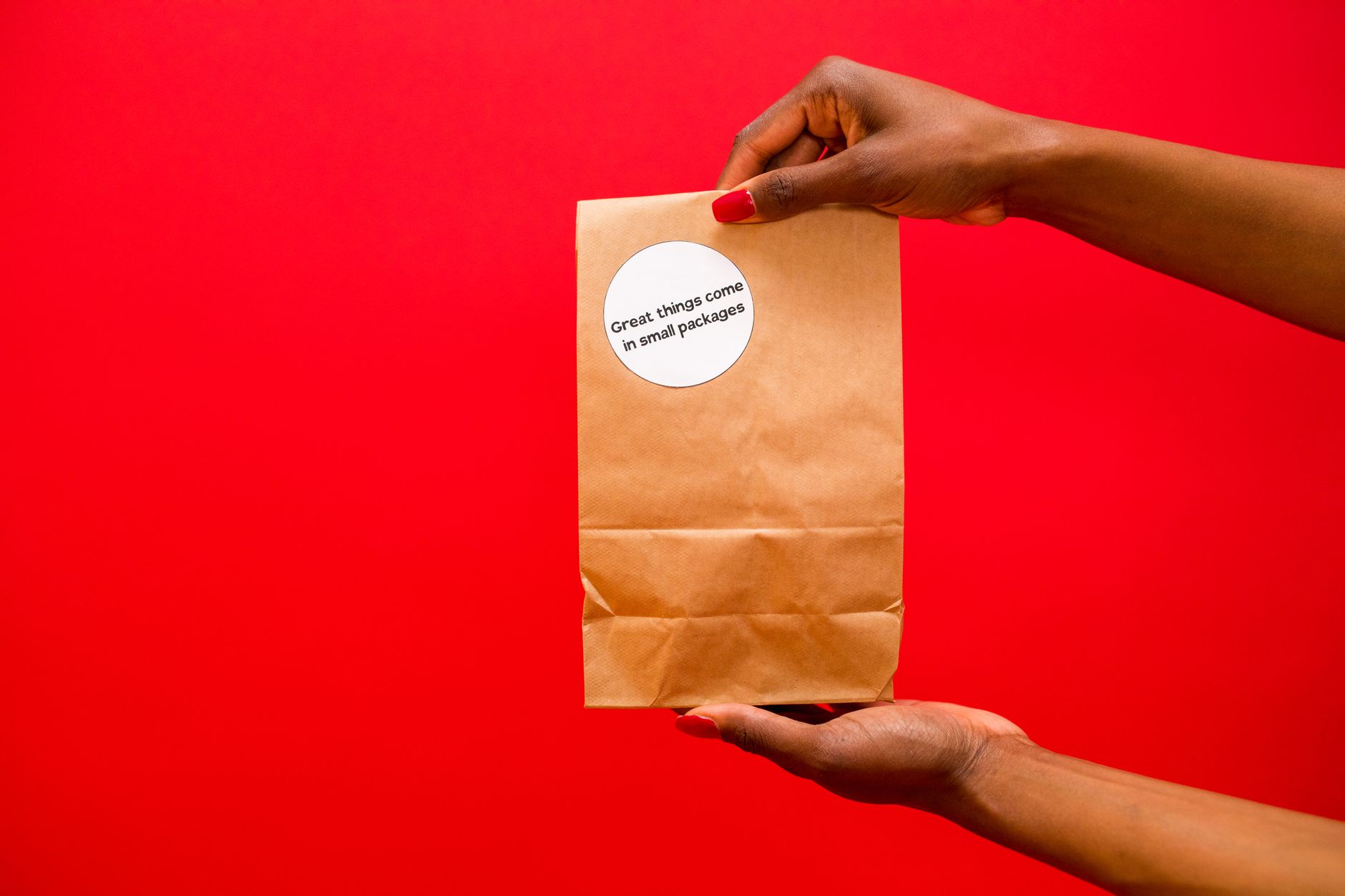
Sustainability isn’t just a buzzword anymore — it’s a genuine business expectation. Across Australia, organisations of every size are under increasing pressure from customers, employees, and stakeholders to demonstrate environmental responsibility. For event planners, marketing managers, and procurement teams, that pressure extends all the way down to the branded merchandise on the table at your next conference, trade show, or community event. Biodegradable marketing giveaways in Australia are rapidly becoming the go-to solution for organisations that want their brand remembered for the right reasons. This guide covers everything you need to know about choosing, ordering, and distributing biodegradable promotional products — including what to look for, what to avoid, and how to get the most out of your investment.
Why Biodegradable Marketing Giveaways Matter for Australian Organisations
Australia generates millions of tonnes of waste each year, and single-use promotional items have historically contributed to that problem in a meaningful way. The classic branded plastic pen, the foam stress ball, the throwaway tote made from virgin polyester — these products often end up in landfill within weeks of being handed out at an event.
Biodegradable giveaways take a different approach. These are products made from materials that break down naturally over time — things like bamboo, recycled paper, cornstarch, wheat straw, natural cotton, and plant-based PLA (polylactic acid). When they reach the end of their useful life, they decompose without leaving harmful microplastics or toxic residues behind.
For Australian businesses, the shift towards biodegradable merchandise isn’t just about ethics. It’s also smart marketing. Research consistently shows that consumers associate eco-conscious brands with higher trust and quality. When a Sydney fintech company hands out bamboo pens at a product launch, or a Melbourne council distributes seed paper booklets at a community event, the product itself tells a story about the organisation’s values.
There are also practical corporate governance considerations. Many government departments and large enterprises now include sustainability criteria in their procurement policies. If your organisation tenders for contracts or operates within regulated industries, being able to demonstrate that your branded merchandise meets environmental standards can be a genuine competitive advantage.
It’s worth reading our guide to eco-friendly promotional products for Australian businesses to get a broader picture of the sustainable merchandise landscape before diving into specific biodegradable options.
What Products Count as Truly Biodegradable?
This is where things get important — and where a lot of organisations get caught out. Not everything marketed as “eco-friendly” is actually biodegradable. Recycled plastic, for example, is a more sustainable choice than virgin plastic, but it still won’t break down naturally in a landfill or composting environment.
When evaluating biodegradable marketing giveaways in Australia, look for products made from the following verified materials:
Bamboo
Bamboo is one of the fastest-growing plants on earth, and products made from it — pens, cutlery sets, phone stands, notebooks, and even drinkware — are genuinely biodegradable under the right conditions. Bamboo products are also highly durable, which means they have a longer useful life before they ever need to decompose. For a Brisbane real estate agency or a Perth corporate office looking for desk accessories, bamboo items strike an excellent balance between practicality and sustainability.
Seed Paper
Seed paper is a standout product in the biodegradable giveaway space. Made from recycled paper embedded with wildflower or herb seeds, seed paper products — including business cards, bookmarks, notepads, and event invitations — can be planted directly in soil after use. They decompose completely and leave behind a garden rather than waste. A Hobart environmental charity running a fundraising event could distribute seed paper bookmarks as a giveaway that literally grows into something meaningful.
Wheat Straw and Plant-Based Plastics
Many conventional plastic products — cups, lunchboxes, cutlery, even pens — now have wheat straw or PLA (polylactic acid) equivalents. These materials are derived from agricultural by-products or plant sugars and are certified compostable under industrial composting conditions. It’s important to communicate to recipients how to dispose of these products correctly, as they generally require commercial composting facilities rather than home compost bins.
Natural and Organic Textiles
Custom apparel made from 100% organic cotton, hemp, or linen is technically biodegradable, provided the decoration method doesn’t introduce synthetic inks or dyes. Water-based screen printing inks are the best pairing for organic textile giveaways — you can learn more in our overview of water-based and eco-friendly printing methods.
Recycled and FSC-Certified Paper Products
Notebooks, notepads, and stationery made from FSC-certified paper or post-consumer recycled content are both biodegradable and responsibly sourced. These are popular choices for conferences, workshops, and educational institutions across the country.
For a deeper look at one of the most popular categories in this space, check out our guide to branded bamboo products for Australian workplaces.
Best Biodegradable Giveaways for Different Australian Events and Sectors
The right product always depends on your audience, your event context, and your budget. Here’s how biodegradable giveaways map across different scenarios.
Corporate Events and Trade Shows
For a Gold Coast conference or a Sydney trade show expo, high-perceived-value items work best. Bamboo pens, wheat straw travel cups, and kraft paper notebooks with debossed covers all photograph well and carry strong brand association. These items are also compact enough for attendees to carry home easily — a key consideration when you’re competing with dozens of other exhibitors.
Our trade show merchandise buying guide has practical advice on MOQs and lead times for event-scale orders, which is especially useful when you’re working with tight timelines.
Schools and Educational Institutions
Primary and secondary schools across Queensland, Victoria, and New South Wales have been particularly active in adopting eco-friendly merchandise for athletics carnivals, school fairs, and fundraising events. Seed paper bookmarks, recycled paper pencils, and organic cotton tote bags are all appropriate for younger audiences and align with environmental education programmes. These products also make excellent parent communication pieces when accompanied by information about the school’s sustainability initiatives.
Government and Council Events
Adelaide and Canberra councils frequently run community engagement events, sustainability expos, and public information sessions where branded giveaways are distributed at scale. Biodegradable options like seed packets, bamboo cutlery sets, and compostable carry bags are particularly well-received at these events, where the audience is often already environmentally conscious and will scrutinise the sustainability credentials of what they’re handed.
For public sector organisations, our guide to promotional products for government and councils covers compliance considerations and bulk ordering tips.
Charity and Not-for-Profit Organisations
Budget is always a consideration for charities, and biodegradable products can occasionally carry a price premium over conventional options. However, the storytelling value is significant — a Darwin-based conservation charity handing out seed paper wildflower cards at a fundraising dinner creates a memorable, shareable moment that extends well beyond the event itself. When quantity requirements are modest, the per-unit premium becomes much more manageable.
Decoration Methods for Biodegradable Merchandise
The decoration method you choose has a real impact on the overall environmental footprint of your giveaway. Pairing a bamboo product with solvent-based inks largely defeats the purpose. Here are the most appropriate decoration techniques for biodegradable items:
- Laser engraving: Ideal for bamboo and wood products. Creates a clean, permanent result with no inks involved whatsoever.
- Water-based screen printing: The preferred method for organic cotton garments and paper products. Avoids PVC and phthalate-laden plastisol inks.
- Debossing: A fantastic option for natural leather and kraft paper notebooks. No ink at all — just a physical impression in the material.
- Pad printing with eco-certified inks: Used on wheat straw and PLA products where other methods aren’t practical.
You can explore decoration compatibility in more detail through our complete guide to promotional product decoration methods.
Ordering Tips: MOQs, Lead Times, and Artwork
Biodegradable products often have slightly higher minimum order quantities (MOQs) than their conventional counterparts, particularly for certified compostable items sourced from overseas manufacturing. Typical MOQs start at 50–100 units for bamboo stationery and reach 250–500 units for custom seed paper products with bespoke printing.
Lead times for biodegradable giveaways in Australia typically run between 10 and 20 business days for standard orders, though rush services are available for some product categories. If your event is time-sensitive, discuss lead times upfront and factor in proof approval time — usually 1–3 business days.
For artwork, vector files (AI or EPS format) are standard, and one-colour artwork tends to work best on natural-finish products where the material texture should be part of the visual appeal. Our artwork preparation guide for promotional products walks through the technical requirements in plain language.
Budget planning is also important. Expect to pay a setup fee of $40–$80 per colour for most decoration processes, with bulk pricing tiers kicking in meaningfully at 100, 250, and 500 units. For help building a per-unit budget, our guide to promotional product pricing in Australia is a useful reference.
Communicating Your Eco Commitment to Recipients
One of the most underused strategies with biodegradable giveaways is the accompanying communication. Adding a small card or printed insert that explains what the product is made from, how to dispose of it correctly, and why your organisation chose it transforms a simple giveaway into a genuine brand storytelling moment.
For seed paper products, this is especially important — recipients need to know to plant it rather than recycle it. For wheat straw or PLA items, a note about industrial composting facilities helps ensure the product actually achieves its environmental potential.
You might also consider our tips on sustainable event merchandise planning for guidance on how to integrate eco messaging into your overall event communications.
Conclusion: Key Takeaways for Choosing Biodegradable Marketing Giveaways in Australia
Biodegradable marketing giveaways in Australia represent one of the most effective ways to align your brand with the values your audience increasingly expects. When chosen thoughtfully, they don’t just reduce environmental impact — they actively enhance your brand perception, spark conversations, and create lasting impressions.
Here are the key takeaways to carry forward:
- Verify materials carefully — not all “eco” products are truly biodegradable. Look for bamboo, seed paper, organic cotton, wheat straw, or certified PLA/compostable materials.
- Match the product to your audience and event context — a seed paper bookmark works beautifully at a school or charity event; a laser-engraved bamboo pen suits a corporate trade show.
- Choose appropriate decoration methods — laser engraving, debossing, and water-based screen printing align best with the sustainability story.
- Communicate the eco credentials — include a brief explanation of the product’s materials and disposal method to maximise the storytelling impact.
- Plan your lead times and MOQs early — biodegradable products can require longer production windows, so build this into your event planning timeline from the start.