
Reusable Promotional Items for Green Businesses: The Complete Australian Guide
Discover the best reusable promotional items for green businesses in Australia — practical tips on products, budgets, and eco branding done right.

Written by
Tessa Nordberg
Eco & Sustainable Products
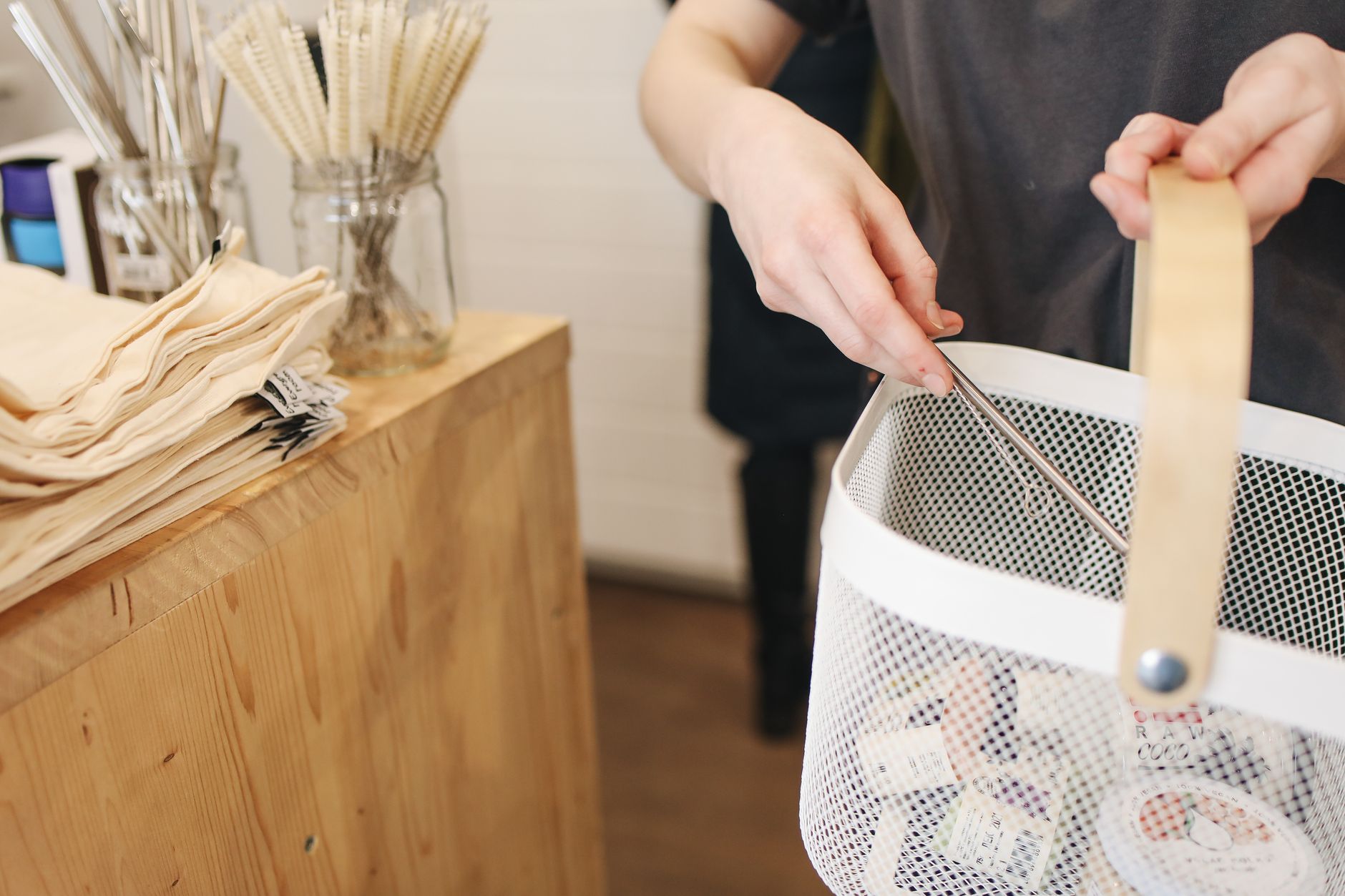
Choosing the right promotional merchandise has never been more important — or more complex — for Australian businesses that genuinely care about their environmental footprint. Consumers in 2026 are sharper than ever. They notice when a brand’s giveaway bag ends up in landfill by the end of the week, and they reward businesses that align their marketing with real, tangible sustainability values. If you’re looking for reusable promotional items for green businesses, you’re not just making a smart branding decision — you’re making a statement about who you are and what you stand for. This guide covers everything you need to know: from selecting the right products and decoration methods, to managing budgets, MOQs, and turnaround times, all with an eye on authenticity and long-term brand impact.
Why Reusable Promotional Items Matter More Than Ever
Australia has seen a significant cultural shift in how organisations approach their branded merchandise. Following state-level bans on single-use plastics — now enforced across Queensland, Victoria, South Australia, Western Australia, and New South Wales — businesses are rethinking not just what they print their logo on, but what values their promotional products communicate.
The logic is simple: a promotional item that gets used repeatedly is one that keeps your brand visible day after day. A branded keep cup carried into a Melbourne café every morning is delivering thousands of impressions over its lifetime. A reusable tote bag carried through a Perth farmers’ market every Saturday is doing the same. Compare that to a single-use plastic pen or a flimsy plastic bag that ends up in a recycling bin (on a good day) within 48 hours.
For green businesses specifically — whether you’re a sustainability-focused startup in Brisbane, a certified B Corporation in Sydney, or a council department in Adelaide running a community sustainability program — reusable promotional items are an extension of your brand identity. They need to be functional, well-made, and genuinely sustainable. Half-measures don’t cut it with eco-conscious audiences.
Understanding the broader landscape of promotional products and brand awareness is a useful starting point before diving into specific product categories — it gives you a framework for how long-lasting items outperform cheap single-use giveaways in terms of ROI.
The Best Reusable Promotional Items for Green Businesses
Reusable Drinkware
Few product categories deliver better long-term brand exposure than branded drinkware. A quality stainless steel water bottle or bamboo keep cup can last years, providing daily brand impressions in workplaces, gyms, cafés, and commutes across the country.
When sourcing BPA-free branded water bottles, look for double-walled vacuum insulation, wide-mouth openings for easy cleaning, and lids that don’t leak. These functional details are what make the difference between a bottle someone uses every day and one that ends up forgotten at the back of a cupboard. For a premium feel with genuine eco credentials, glass water bottles are a sophisticated option that resonates particularly well with health and wellness brands, corporate clients, and upscale events.
Typical MOQs for branded drinkware start around 25–50 units, with decoration via laser engraving, screen printing, or sublimation depending on the material. Budget from approximately $12–$35 per unit depending on the product quality, with laser engraving often producing the most durable and visually striking results — learn more about rotary engraving for promotional products to understand when this method is worth the investment.
Reusable Bags and Totes
Reusable bags are arguably the most iconic eco promotional product, and for good reason. They’re functional, visible, and understood universally as a statement against single-use plastic. The key is choosing bags that are built to last.
Options range from organic cotton tote bags and recycled PET drawstring bags to jute shoppers and heavy-duty calico bags. Drawstring bags made from recycled materials work particularly well for sporting clubs, school events, and fitness-focused businesses. A Gold Coast surf school, for example, could distribute branded recycled drawstring bags at the end of each lesson — practical, memorable, and entirely on-brand.
For conferences and corporate events, consider structured reusable bags with gussets and internal pockets. A Sydney-based sustainability conference handing out branded recycled PET bags stuffed with eco giveaways sends a powerful and cohesive message to attendees.
Screen printing and sublimation are the most popular decoration methods for fabric bags. Screen printing suits bold, simple designs with one to four colours, while sublimation allows for full-colour photographic designs — ideal if your branding is more complex or colourful.
Eco-Friendly Stationery and Office Accessories
Branded stationery remains one of the highest-volume promotional categories, but the eco credentials vary enormously. Skip the cheap plastic pens and look instead at bamboo pens, recycled cardboard notebooks, seed paper notepads, and cork accessories.
Bamboo notebooks with elastic closures and pen loops are a favourite for corporate events and industry summits — they feel premium without the environmental cost of traditional manufacturing. If you’re planning custom gifts for industry summits in Australia, a well-branded bamboo notebook paired with a recycled pen is a combination that attendees actually keep and use.
Seed paper products deserve a special mention. These items — whether shaped as bookmarks, notecards, or full notepads — are embedded with real seeds and can be planted after use. They’re a genuine conversation starter and pair beautifully with brands in the wellness, gardening, environmental, and lifestyle sectors. Speaking of which, branded herb growing kits are another memorable eco product that leans into the same “growing” theme — a clever option for real estate agencies, property developers, and lifestyle brands.
Reusable Lanyards and Event Accessories
Events generate a surprisingly large amount of waste, and lanyards are often the biggest culprit — thousands of single-use plastic lanyards discarded after a single conference. The eco alternative? Lanyards made from recycled PET bottles, bamboo fibre, organic cotton, or even cork webbing.
Recycled PET lanyards, made from post-consumer plastic bottles, are particularly compelling because they tell a great sustainability story. Pair them with biodegradable cardboard badge holders and you’ve created a near-zero-waste event accessory. If you’re exploring lanyard options more broadly, our guide offers a useful comparison of custom lanyards and their configurations that applies equally to the Australian market.
Sustainable Health and Wellness Products
The wellness category offers some genuinely innovative reusable products that resonate strongly with modern consumers. Branded reusable hand sanitiser bottles — refillable, rather than single-use — are a thoughtful option for corporate wellness programs, particularly in healthcare, education, and hospitality sectors.
Reusable beeswax wraps, bamboo cutlery sets, and stainless steel straws have all found their place in the eco merchandise landscape. These items work especially well as part of a curated gift set — think a winter corporate giveaway featuring a branded keep cup, a reusable beeswax food wrap, and a bamboo cutlery set, packaged in a recycled kraft box. The presentation matters as much as the product.
How to Choose the Right Reusable Promotional Items for Green Businesses
Match the Product to Your Audience
The most effective promotional item is one that genuinely fits into the daily life of your recipient. A Brisbane primary school running a sustainability education program has very different needs from a Canberra government department sourcing conference merchandise. Consider where and how your audience will actually use the item, and let that guide your selection.
Ask yourself: Will this get used more than once? Does it replace a single-use alternative? Is it made from materials I’d be comfortable defending publicly? If the answer to any of these is uncertain, dig deeper before committing.
Understand Your Decoration Options
The decoration method affects both the aesthetics and the environmental impact of your order. Laser engraving on bamboo or stainless steel produces no inks or chemicals and creates a permanent, premium finish — ideal for high-value items. Screen printing with water-based inks is a responsible choice for fabric products. Avoid plastisol inks and solvent-based pad printing where eco-friendly alternatives exist.
Be mindful of express printing surcharges for urgent orders if you’re working to a tight event deadline. Planning your order four to six weeks ahead is standard practice for eco product ranges, which sometimes have longer production lead times than conventional merchandise.
Be Wary of Greenwashing
This is critical. A product labelled “eco-friendly” isn’t automatically sustainable. Check whether the bamboo is FSC-certified, whether recycled content claims are verified, and whether the manufacturer can provide documentation. Your eco-conscious audience will ask these questions — make sure you can answer them. Opting for biodegradable marketing giveaways with verified credentials is a safer path than assuming any product marketed as “green” genuinely is.
Budget Realistically
Sustainable products typically carry a higher unit cost than their conventional counterparts — this is the reality of responsible manufacturing. However, the ROI on a quality reusable item is significantly better than a cheap throwaway product. Budget for quality rather than volume. A smaller run of genuinely excellent products will serve your brand better than a large run of mediocre ones.
Many products in the eco range have MOQs of 25–100 units, making them accessible for small businesses and community organisations, not just large corporations.
Conclusion: Key Takeaways for Ordering Reusable Promotional Items
Investing in reusable promotional items for green businesses is one of the most authentic forms of brand communication available to Australian organisations today. Done thoughtfully, it builds genuine trust, delivers lasting exposure, and puts your values into the hands of your customers, clients, and community.
Here are the key things to take away from this guide:
- Choose functionality over novelty. The best eco promotional items are the ones people actually use — daily-use products like drinkware, bags, and stationery deliver the highest long-term brand exposure.
- Verify sustainability claims. Look for certified materials (FSC, GOTS, OEKO-TEX) and ask your supplier for documentation — greenwashing is real, and your audience will notice.
- Match the product to your audience. A school sustainability initiative needs different products from a corporate conference or a charity gala. Tailored selection beats generic every time.
- Plan for longer lead times. Eco product ranges can take longer to produce and deliver. Build four to six weeks into your project timeline to avoid paying express surcharges.
- Think in sets and stories. Curated eco gift sets tell a stronger sustainability story than individual items. Pairing complementary products in recycled packaging elevates the entire experience.
Green businesses have a genuine opportunity to lead by example through their merchandise choices. The products you put in people’s hands say something about your brand — make sure they’re saying the right things.