
Embroidery on Custom Polo Shirts in Australia: The Complete Expert Guide
Discover how embroidery on custom polo shirts works in Australia — from artwork prep to MOQs, costs, and choosing the right supplier.

Written by
Priya Kapoor
Branding & Customisation
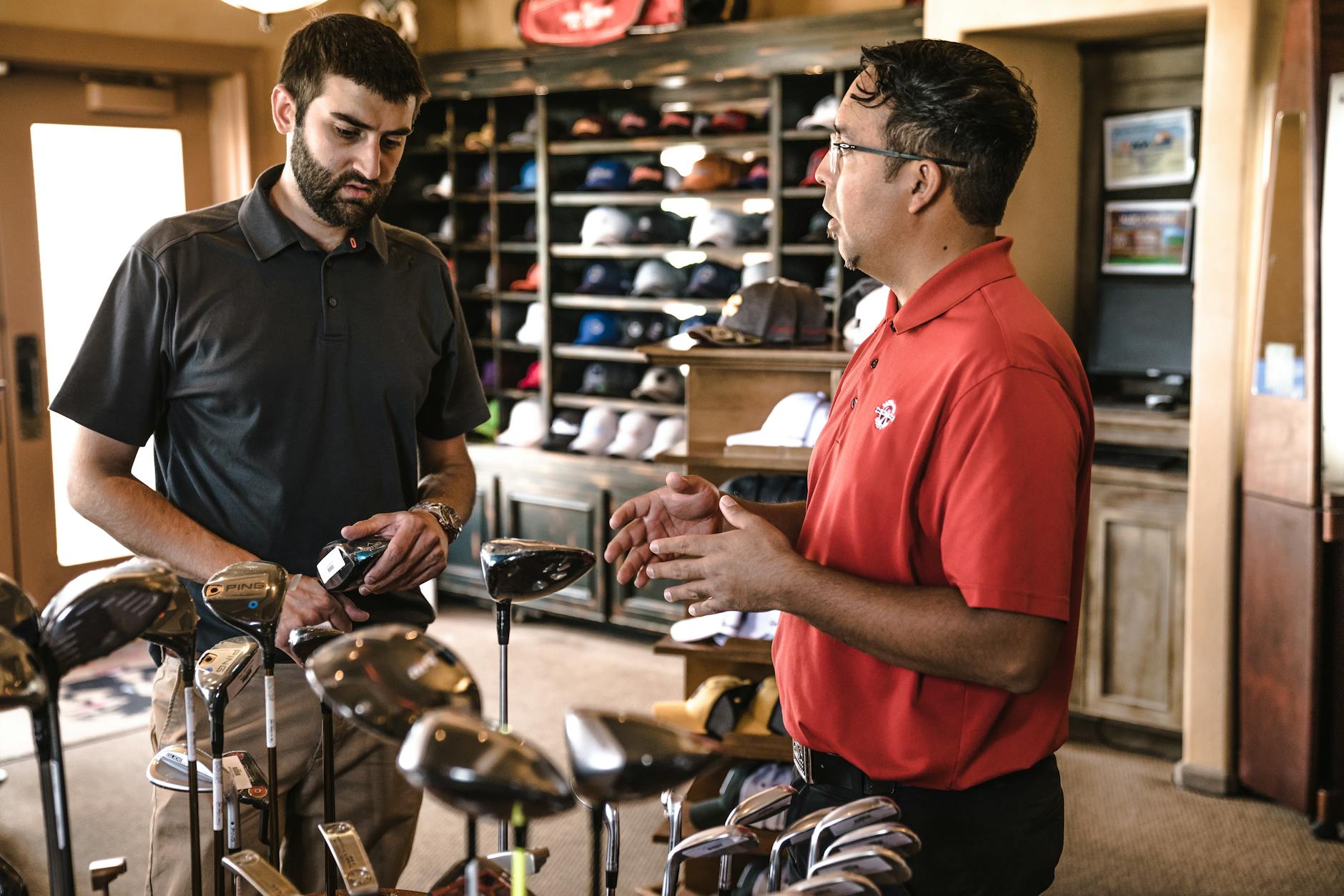
When it comes to presenting a polished, professional image for your organisation, few things do the job quite as effectively as a well-embroidered polo shirt. Whether you’re outfitting a corporate team in Sydney, kitting out staff at a Brisbane trade expo, or creating a unified look for a Melbourne sports club, embroidery on custom polo shirts in Australia remains one of the most trusted and enduring methods of branded apparel decoration. It delivers a premium finish that screen printing simply can’t replicate — textured, durable, and instantly recognisable as quality workmanship. But getting it right involves more than just uploading a logo and hitting “order.” This guide walks you through everything you need to know, from artwork preparation and decoration placement to minimum order quantities, turnaround times, and how to stretch your budget without compromising on results.
Why Embroidery Is the Gold Standard for Custom Polo Shirts
Embroidery has been used on professional garments for decades, and for good reason. The technique involves stitching your design directly into the fabric using coloured thread, creating a raised, three-dimensional finish that looks exceptional on polo shirts, regardless of whether the fabric is cotton, pique, or a performance blend.
For businesses and organisations, embroidery signals quality. A corporate polo shirt with a crisply embroidered logo communicates a level of professionalism that heat transfer or pad printing rarely achieves. It’s tactile, it holds up through repeated washing, and it retains its colour and definition even after years of regular use. That longevity is particularly important for workwear, hospitality uniforms, and corporate polos that need to perform day in, day out.
It’s also worth noting that embroidery performs especially well on the types of fabrics commonly used in polo shirts — pique cotton, moisture-wicking polyester blends, and cotton-poly mixes. These materials have a tight enough weave to support the stitching cleanly, avoiding the puckering or distortion that can occasionally occur with looser knit fabrics.
For a broader view of how embroidery stacks up against other decoration methods, the comparison comes into sharper focus when you consider the specific application. For polo shirts specifically, embroidery is almost always the preferred option for organisations that want a premium, professional finish.
How Embroidery on Polo Shirts Compares to Sublimation
It’s worth briefly addressing how embroidery compares to sublimation printing, which has grown in popularity for custom apparel in recent years. Sublimation allows for vibrant, full-coverage designs and photographic detail — but it requires 100% polyester garments and is best suited to designs with complex gradients or all-over patterns. Embroidery, by contrast, works beautifully with the cotton and cotton-blend polos that most corporate buyers prefer.
If you’re weighing up these two options for your next order, our detailed breakdown of polo shirt sublimation vs embroidery covers the trade-offs in depth, helping you identify which method suits your specific brief.
Understanding the Embroidery Process for Custom Polo Shirts
Before your logo can be stitched onto a polo shirt, it needs to be digitised. This is the process of converting your artwork file into a stitch file — essentially, a set of machine-readable instructions that tell the embroidery equipment exactly how to recreate your design in thread. Digitisation is a skilled process, and the quality of this step has a significant impact on the final result.
Artwork and Digitisation Requirements
For the best outcome, your artwork should ideally be provided as a vector file (AI, EPS, or high-resolution PDF). Embroidery works best with clean, relatively simple designs — bold logos, text, and icons tend to digitise beautifully. Fine details, thin lines, and complex gradients can be difficult to reproduce accurately in thread, so it’s common for a digitiser to make minor adjustments to simplify the design without losing its visual impact.
When providing your logo, make sure you communicate:
- Your brand’s PMS (Pantone) colour references for accurate thread colour matching
- The intended placement and finished size of the embroidery
- Any specific design elements that must remain legible at small sizes
For organisations with strict brand standards, getting the thread colours right is critical. Our guide to Pantone colour matching for corporate brand consistency explains how the PMS system translates across different decoration methods, including embroidery thread selection.
Placement Options on Polo Shirts
The most common placement for embroidery on polo shirts is the left chest — typically 80mm to 100mm wide. This positioning is classic, professional, and works well for logos of most shapes. Additional or alternative placements include:
- Right chest — ideal for a name or position title alongside a left-chest logo
- Centre chest — suits bolder designs or logos with a strong horizontal composition
- Left sleeve — often used for secondary branding, event year, or department identification
- Back yoke — a popular choice for adding a company name, tagline, or secondary logo
- Collar — occasionally used for small monograms or single-colour marks
Keep in mind that each additional placement location is generally priced separately, so it pays to think strategically about how many embroidered positions you actually need to achieve your desired look.
Minimum Order Quantities, Pricing, and Turnaround Times
One of the most common questions from organisations ordering embroidered polo shirts for the first time is: “How many do I need to order, and what will it cost?”
Minimum Order Quantities (MOQs)
Most Australian suppliers require a minimum order of around 12 to 24 polo shirts for embroidery. Some can accommodate smaller runs of 6 or fewer for an additional premium, while larger decorators may prefer minimums of 24 or 48 units. The MOQ often depends on whether a custom digitisation fee is involved — since digitisation is a fixed cost, suppliers generally require a minimum quantity to make the job commercially viable for both parties.
Cost Breakdown
Pricing for embroidered polo shirts in Australia typically includes:
- The garment itself — blank polo shirts range from budget ($10–$20 per unit) to mid-range ($25–$45) and premium ($50+), depending on the brand, fabric weight, and features
- A once-off digitisation fee — usually between $50 and $150, charged per design/placement, and not repeated on future reorders
- Embroidery decoration cost per garment — generally $5 to $15 per placement, decreasing with higher quantities
- GST — applicable on all components
Bulk pricing tiers typically kick in at quantities of 25, 50, 100, and 250+ units. For a Perth real estate agency ordering 50 embroidered polos for their sales team, the per-unit cost will be meaningfully lower than for a Darwin café ordering 12 for their floor staff — so if your budget allows for a slightly larger run, it’s usually worth it.
For context on how branded merchandise budgets work across different product categories, our resource on promotional materials in Australia offers useful benchmarking.
Turnaround Times
Standard turnaround for embroidered polo shirts in Australia is typically 10 to 15 business days from artwork approval. Rush production (5 to 7 business days) is sometimes available at an additional cost, though this depends on the supplier’s capacity and current workload. It’s always worth discussing your deadline upfront, particularly if you’re ordering for a specific event, product launch, or team start date.
For time-sensitive corporate gifting or event merchandise needs, our advice on winter corporate giveaways in Australia and winter promotional products in Melbourne covers how to plan ahead and avoid last-minute stress.
Choosing the Right Polo Shirt for Embroidery
Not all polo shirts are created equal, and the garment you choose will significantly influence both the quality of the embroidery and the overall impression your branded apparel makes.
Fabric Considerations
100% cotton pique is the traditional choice and remains highly popular for corporate and hospitality applications. It’s breathable, comfortable, and embroiders beautifully. Cotton-polyester blends (typically 65/35 or 60/40) offer added durability and resistance to shrinkage, making them a sensible option for high-use workwear environments. Performance polyester fabrics are worth considering for outdoor, sporting, or active roles — though some synthetic fabrics can pucker slightly under embroidery, so testing on a sample is recommended.
Fit and Style
Polo shirts come in a range of fits — classic/relaxed, contemporary, and slim. For corporate or uniform applications, a contemporary fit tends to be the most versatile and flattering across different body types. Make sure to order a range of sizes and, if possible, request a pre-production sample before committing to a full run.
Colour Palette
Choose garment colours that complement your brand palette and allow your embroidered logo to stand out. High contrast between the thread colours and the garment colour generally yields the cleanest result. A white polo with a navy embroidered logo, or a charcoal polo with a gold embroidered crest, are both classic, high-impact combinations.
If you’re investing in quality custom polo shirts as part of a broader corporate gifting strategy, our ideas for corporate gifting and premium corporate gifts in Sydney might also inspire your next campaign.
Common Mistakes to Avoid When Ordering Embroidered Polo Shirts
Even experienced buyers occasionally run into issues that delay delivery or result in disappointing outcomes. Here are the most frequent mistakes to watch out for:
- Not checking digitisation before approving — Always review a digital proof or physical sample of the embroidery before the full run proceeds. Minor adjustments at this stage save significant rework later.
- Choosing a design that’s too complex — Fine fonts, thin lines, and small text (under 5mm tall) often don’t embroider well. Simplify where possible.
- Ignoring size variances across team members — Order a size run that reflects your actual team, not just an average. Most embroidery suppliers can accommodate mixed-size orders within a single run.
- Leaving insufficient lead time — Particularly for government departments in Canberra or councils in Adelaide managing procurement timelines, underestimating turnaround is a common source of frustration.
- Not considering reorder implications — Keep your stitch file (digitisation) on file with your supplier so future reorders don’t incur another digitisation fee.
For organisations exploring a wider range of branded promotional products beyond apparel, it’s worth reading up on promotional products trends in Australia and how branded merchandise contributes to brand awareness.
Conclusion
Embroidery on custom polo shirts in Australia is one of the most effective, enduring ways to present a professional, cohesive brand identity — whether you’re outfitting a corporate team, school staff, healthcare workers, or event volunteers. Getting the most out of the process comes down to preparation: understanding your artwork requirements, choosing the right garment, and working with a supplier who takes quality seriously from digitisation through to delivery.
Key takeaways:
- Embroidery is the decoration method of choice for professional polo shirts thanks to its durability, texture, and premium appearance
- Always provide vector artwork and PMS colour references for the most accurate result
- Digitisation is a once-off cost — keep your stitch file on record to reduce future reorder costs
- Plan for a 10–15 business day turnaround and build in buffer time for proofing and approval
- MOQs typically start at 12–24 units, with meaningful per-unit savings at higher quantities
- Selecting the right polo shirt fabric and fit is just as important as the decoration itself
With the right approach, your embroidered polo shirts won’t just be a uniform — they’ll be a genuine reflection of your organisation’s standards and identity.