
The Complete Quality Guide to UV Printing for Promotional Products in Australia
Discover how UV printing works, when to use it, and how to get the best results for your branded promotional products. Expert Australian guide.

Written by
Priya Kapoor
Branding & Customisation
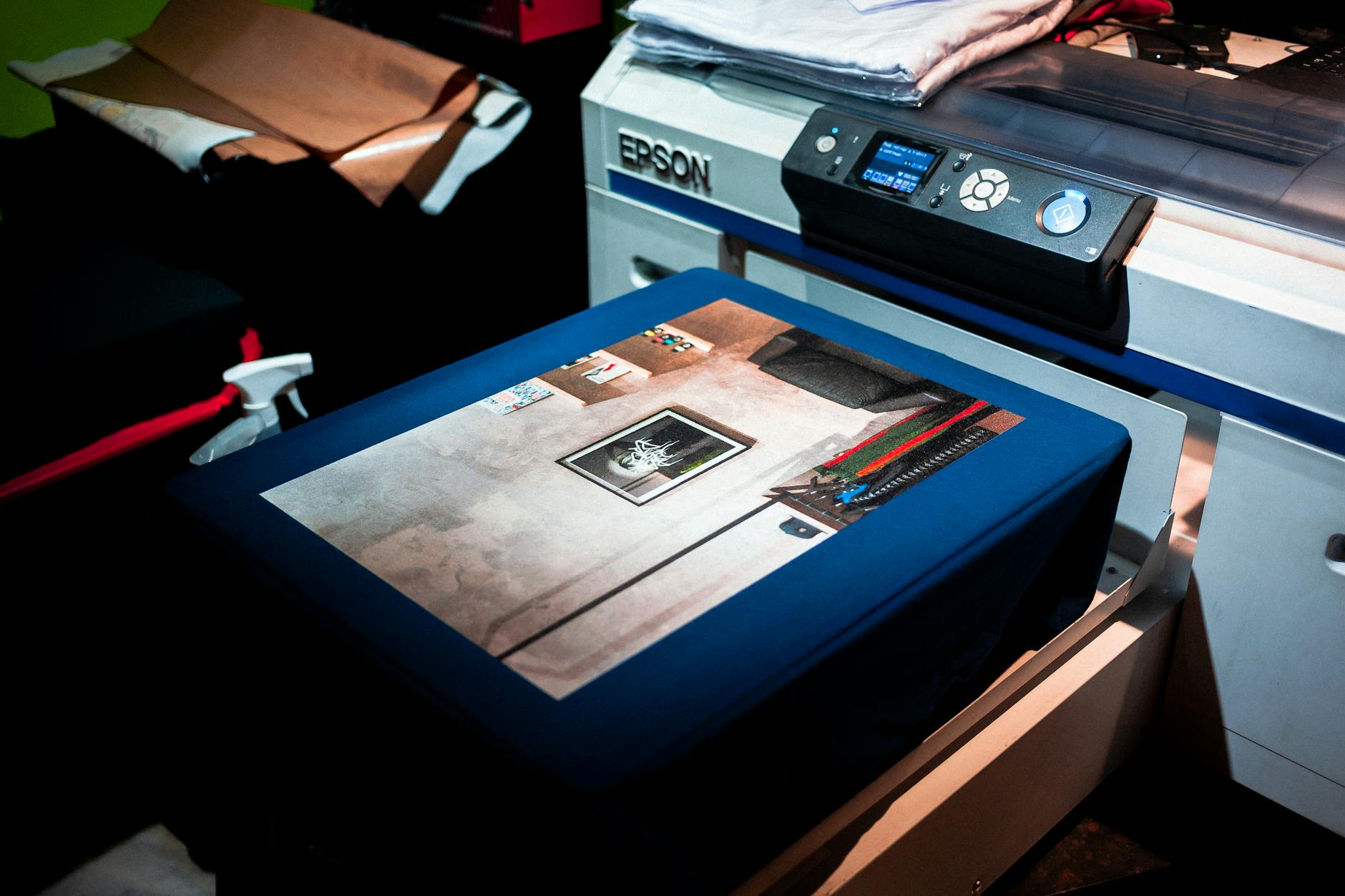
When it comes to decorating promotional products, there are more options than ever before — screen printing, embroidery, sublimation, laser engraving, and more. But one method that’s rapidly gaining traction across Australia is UV printing. Whether you’re a Sydney-based event planner sourcing conference giveaways or a Melbourne business manager refreshing your corporate merchandise range, understanding UV printing could open up a whole new world of customisation possibilities. This quality guide to UV printing for promotional products covers everything you need to know — from how the technology actually works to which products it suits best, common pitfalls to avoid, and how to get the sharpest results within your budget.
What Is UV Printing and How Does It Work?
UV printing (short for ultraviolet printing) is a direct-to-surface digital printing process that uses ultraviolet light to cure — or harden — ink almost instantly as it’s applied to a product. Unlike traditional printing methods that rely on heat or air drying, UV printing cures in real time as the UV lamp passes over the freshly applied ink. This results in a vibrant, durable print that sits on top of the substrate rather than soaking into it.
The process uses specialised UV-reactive inks fed through a digital print head. As the ink lands on the surface, UV light immediately follows, locking the ink in place before it has any chance to bleed or shift. This precision is what makes UV printing so attractive for detailed logo work, multi-colour gradients, and photographic imagery on promotional products.
The Difference Between UV Printing and UV Coating
It’s worth noting that “UV printing” and “UV coating” are two different things. UV coating is a finishing process applied over an existing printed surface to provide gloss, protection, or texture. UV printing, by contrast, is the actual decoration method itself — the ink is cured using UV light as part of the printing process. Both are valuable in the promotional products space, but they serve different purposes.
Why UV Printing Is Gaining Popularity for Promotional Products
The rise of UV printing across Australia’s promotional merchandise industry isn’t accidental. There are several compelling reasons why businesses, councils, and event organisers are choosing it more frequently.
Compatibility with a vast range of substrates. One of UV printing’s greatest strengths is that it can print on almost any surface — hard plastics, glass, metal, leather, timber, acrylic, ceramic, and even some textiles. This makes it ideal for promotional items that other decoration methods can’t easily handle. Think branded glass water bottles, acrylic awards, metal business card holders, or novelty items with irregular surfaces.
Full-colour, photographic-quality results. UV printing supports CMYK colour models and can reproduce complex gradients, photographic images, and fine detail that methods like screen printing or pad printing simply can’t match. For organisations that require precise brand representation, this matters. Pairing this with Pantone colour matching for corporate brand consistency ensures your brand colours translate accurately across all merchandise.
No minimum order quantity (MOQ) barrier. Because UV printing is digital, there are no screens or plates to set up. This means you can often order small quantities — sometimes as few as one or two pieces — without blowing your budget on setup fees. This is a game-changer for pilot runs, executive gifts, or one-off event pieces.
Fast turnaround potential. Without the setup time associated with screen printing or embroidery, UV printing can move through production quickly. Just keep in mind that if you’re under a tight deadline, it’s still worth checking with your supplier — and understanding any express printing surcharges for urgent promotional orders that may apply.
Eco-friendlier than some alternatives. UV inks are typically solvent-free, and because they cure instantly, there’s minimal waste and off-gassing compared to some traditional ink types. For organisations committed to sustainable practices, this is a meaningful advantage worth noting alongside your broader approach to reusable promotional items for green businesses.
The Quality Guide to UV Printing: What Affects Print Quality?
This is where many buyers get caught out. Understanding what actually determines print quality in UV printing can help you brief your supplier more effectively and set realistic expectations before you commit to an order.
Surface Preparation and Material Compatibility
UV ink bonds differently to different surfaces. Porous materials absorb UV ink and can result in a duller finish, while smooth, non-porous surfaces (like coated metal or acrylic) tend to produce the sharpest, most vivid results. Some materials — particularly certain plastics — require a surface primer or treatment before UV printing to ensure the ink adheres properly and resists peeling or chipping.
Always ask your supplier whether the product you’ve selected is suitable for UV printing without additional surface treatment. Better yet, request a sample before placing a large run.
Artwork Resolution and File Formats
Because UV printing is a digital process, the quality of your output is directly tied to the quality of your artwork file. Low-resolution logos or images will appear pixelated at print size. For best results, supply vector files (AI, EPS, or PDF) or high-resolution raster files at a minimum of 300 DPI at the intended print size. If you’re unsure about artwork preparation, most reputable suppliers will review your files during the proof stage.
Ink Layering and White Underbase
On transparent or coloured surfaces — such as a clear acrylic award or a dark metal bottle — UV printers often lay down a white underbase first, then print your design on top. This ensures colours appear true and vibrant rather than translucent or muted. If you’re printing onto clear or dark materials, discuss the white underbase option with your supplier and ask to see how it affects the final look.
Print Area and Item Geometry
Flat surfaces produce the most consistent UV print results. Curved, textured, or uneven surfaces can cause the print head to struggle with focus and distance, potentially resulting in softer edges or ink spread. Many UV printers have rotary attachments for cylindrical items like drinkware, but the print quality may vary compared to flat-surface printing. This is important to consider if you’re printing onto glass water bottles or similar round items.
Best Products for UV Printing in Australia
UV printing opens up an impressive catalogue of items that other decoration methods can’t easily touch. Here are some of the most popular categories:
- Acrylic and glass awards — Crystal-clear acrylic trophies with full-colour photographic prints look stunning and are ideal for employee recognition programmes or sporting events.
- Tech accessories — Power banks, phone stands, and USB drives all lend themselves beautifully to UV printing. Products like recycled cardboard branded phone stands for tech events can be UV printed for crisp logo reproduction.
- Drinkware — Hard-sided drink bottles, travel mugs, and tumblers with flat or cylindrical surfaces work well.
- Hard goods and novelty items — Keyrings, coasters, rulers, and phone cases are all great candidates.
- Conference and event giveaways — Items destined for delegate packs often benefit from UV printing’s ability to handle small quantities and complex artwork. See our ideas for custom snack packs for conference delegate packs in Australia for inspiration on building a complete event pack.
For corporate gifting contexts specifically, UV printing can elevate the perceived premium quality of a product significantly — something particularly relevant when curating premium corporate gifts in Sydney or putting together thoughtful ideas for corporate gifting across the business.
When UV Printing May Not Be the Right Choice
For all its strengths, UV printing isn’t always the best fit. On soft goods like t-shirts, hoodies, or uniforms, UV printing has limited application — you’d be better served by screen printing, embroidery, or heat transfer printing for custom sports uniforms. Similarly, for large-format signage or fabric banners, sublimation is typically the superior process.
UV printing also tends to cost more per unit than screen printing at high volumes. If you’re ordering 1,000 branded pens or 500 tote bags, the economics often favour screen printing or pad printing instead. That said, for short runs, complex artwork, or products with unusual surfaces, UV printing frequently wins on quality and flexibility.
Budgeting and Planning Your UV Printing Order
When budgeting for UV-printed promotional products, there are a few key cost considerations to keep in mind:
- Setup fees are typically lower or non-existent for UV printing compared to screen printing, since there are no screens or plates to produce.
- Per-unit cost is generally higher than screen printing at volume, but competitive for short runs.
- Sampling is highly recommended for UV printing, particularly on new substrates. Ask your supplier about sample costs and lead times upfront.
- Artwork preparation may incur fees if your files require re-drawing or clean-up by the supplier’s design team.
For organisations running on tight timelines — like a Perth council preparing for a community event or a Brisbane not-for-profit rolling out new merchandise — planning four to six weeks ahead of your in-hand date is a safe benchmark, allowing time for proofing, production, and delivery.
It’s also worth keeping an eye on broader promotional products trends in Australia to understand where UV printing fits within the evolving decoration landscape in 2026.
Conclusion: Key Takeaways for Getting UV Printing Right
UV printing is one of the most versatile, high-quality decoration methods available for promotional products in Australia today. Used correctly, it can produce stunning results on a wide range of hard-surface products — from acrylic awards to tech accessories and custom drinkware. As with any print process, the results you get depend heavily on your material choice, artwork quality, and supplier expertise.
Here are the key takeaways from this quality guide to UV printing for promotional products:
- UV printing suits hard, smooth surfaces best — acrylic, glass, metal, and coated plastics produce the sharpest results.
- Always supply high-resolution vector artwork to ensure your logo or design reproduces crisply at print size.
- Request a sample before committing to a full run, particularly if you’re printing onto an unfamiliar substrate or using dark/transparent materials.
- UV printing is cost-effective for short runs but may not be the most economical choice at high volumes compared to screen printing or pad printing.
- Plan your timeline carefully — factor in proofing, production, and freight, especially for urgent orders where express surcharges may apply.
Whether you’re a Canberra government department, a Gold Coast events company, or an Adelaide charity refreshing its merchandise range, UV printing deserves a place in your decoration toolkit. Speak to your supplier, share your artwork, and ask the right questions — the results can be genuinely impressive.